Are You Addicted to the Internet?

I was watching a basketball game one night and found myself reaching for my phone to check Instagram. I wasn’t feeling bored, and my team was playing well at that moment. I checked in with myself to see what feelings I might be trying to avoid, and I discovered that I was feeling worried about my beloved aunt whose health is declining. This insight didn’t prevent me from checking my phone but it did motivate me to move the phone to the other room so I could enjoy the game and explore my feelings toward my aunt.
As a child I used books and bike riding to numb my feelings; there were no cell phones. As an adult I have used overworking, overexercising, and other habits. I’m fascinated by our constant need to be occupied/distracted or busy; an “addiction to busy” with technology and the internet leading the way.
In my prior career, I felt compelled to check my email and phone before, during and after work. After work, my home computer would chime, letting me know I had new messages. I would glance at the screen, intending to answer one or two messages and before I knew it thirty minutes had passed. I was exhibiting at least one of the symptoms of internet addiction- spending more time online than I had originally intended. Today I check email during business hours and no longer use auditory alerts on my computer.
The late Dr. Kimberly Young was a pioneer in the field of Internet/Technology Addiction. Dr. Young studied the pleasure people receive when clicking and finding content on the internet, viewing a text on the phone, reaching a high score in a challenging game, searching for content on Facebook, etc. The variety and intermittent timing of these “hits” is what makes the internet so addictive. She conducted the first study on Internet addiction in 1996 and found that the subjects in her study met the same criteria as individuals who were classified as pathological gamblers; gambling occurs in an environment where there is intermittent reinforcement. When people gamble, there is a pleasurable charge which occurs intermittently; it is called a “variable reinforcement schedule”; that same schedule exists when we use the internet.
Dr. Young developed the first screening measure for diagnosing Internet Addiction, the Internet Addiction Diagnostic Questionnaire (IADQ). The IADQ consists of the eight questions listed below. Sometimes I use this questionnaire to help my clients explore the desire to use their devises to numb out. The next step is usually some Brainspotting our EMDR.
Do you feel preoccupied with the Internet, (think about previous online activity or anticipate the next online session)?
Do you feel the need to use the Internet with increasing amounts of time in order to achieve satisfaction?
Have you repeatedly made unsuccessful efforts to control, cut back, or stop Internet use?
Do you feel restless, moody, depressed, or irritable when attempting to cut down or stop internet use?
Do you stay online longer than originally intended?
Have you jeopardized or risked the loss of a significant relationship, job, or educational or career opportunity because of the Internet?
Have you lied to family members, therapists, or others to conceal the extent of involvement with the Internet?
Do you use the Internet as a way of escaping from problems or of relieving a dysphoric mood (e.g., feelings of helplessness, guilt, anxiety, depression)?
If you answered yes to 4 or 5 of the questions, you may want to examine your own internet/technology usage. I continue to explore these issues in my own life. I use an out of office message on my business email on weekends but sometimes I slip and take a quick peek; but normally I wait to return email on Monday mornings. I’m working on leaving my phone in another room when I am relaxing in the evenings.
Do you find yourself using the internet, or your devices more often than you’d like?
How to Identify and Prevent Burnout

Zion National Park
Are you feeling overworked, maybe a little burned out?
In graduate school, our Law and Ethics professor asked us to write a self-care plan describing the ways we would enjoy our free time and take care of ourselves. He believed it was unethical for therapists to overwork and neglect themselves. To make his point he showed us photos from his rock-climbing trips and other outdoor adventures. He patiently explained that if we didn’t take care of ourselves, we wouldn’t be present for our clients and we’d eventually experience burnout. I came from the business world where I was rewarded for working hard and staying late. I wasn’t sure how I felt about this self-care stuff, but I was willing to consider it. When my schedule filled up, my professor’s words made sense.
I have several clients who are therapists in my practice. One day I was talking about burnout and how to know if you are approaching burnout. I reached for one of my favorite books The Resilient Clinician by Robert J Wicks where the author (2006) describes some of the symptoms of burnout. Here are a few examples:
Feeling mentally fatigued at the end of the day.
Feeling unappreciated, bored, tense or irritable as a result of contact with clients or staff if you work in a treatment setting.
The pace of the day’s activities/requirements seems greater than you can handle. Feeling like “you don’t have enough gas in the tank” on a regular basis.
Experiencing boredom during client sessions.
Wicks (2006) states that psychotherapists often make statements that imply that that their chronic symptoms of secondary stress are “part of the job” as opposed to symptoms of burnout that require a response. One important example is engaging in workaholism which he defines as the idea that we have to be constantly checking and responding to clients’ texts and emails during non-work hours. Or making excuses like “I have to work longer hours right now because we are saving for a down payment for a house.” Once this goal is achieved it is often followed by another large goal that requires more hours.
I love my work as a psychotherapist, it is meaningful and rewarding, however, it is only one aspect of my life. I tell my clients to imagine their time like a large pie with each section representing a slice. One of my clients preferred to think of her time as a flower with petals for each section, we explored all the petals and she realized that she wanted to spend more time doing her art and less time at work.
The answer to preventing burnout is simple, you need to create a fulfilling life outside of work. The photo above is from one of my annual hiking trips to Utah, I chose not to fly this year but am planning a local hiking trip next month. I schedule vacations every year and usually travel. On the weekends I enjoy outdoor activities like hiking and riding my bike, dinners and walks with friends and family, and daily time with my beloved dog; the list goes on. I realize we have had to make many adjustments during the pandemic, but now more than ever it’s important to take time for ourselves and do the things that help us replenish our brains and bodies.
Are You Paying Too Much For Credit Card Fees?
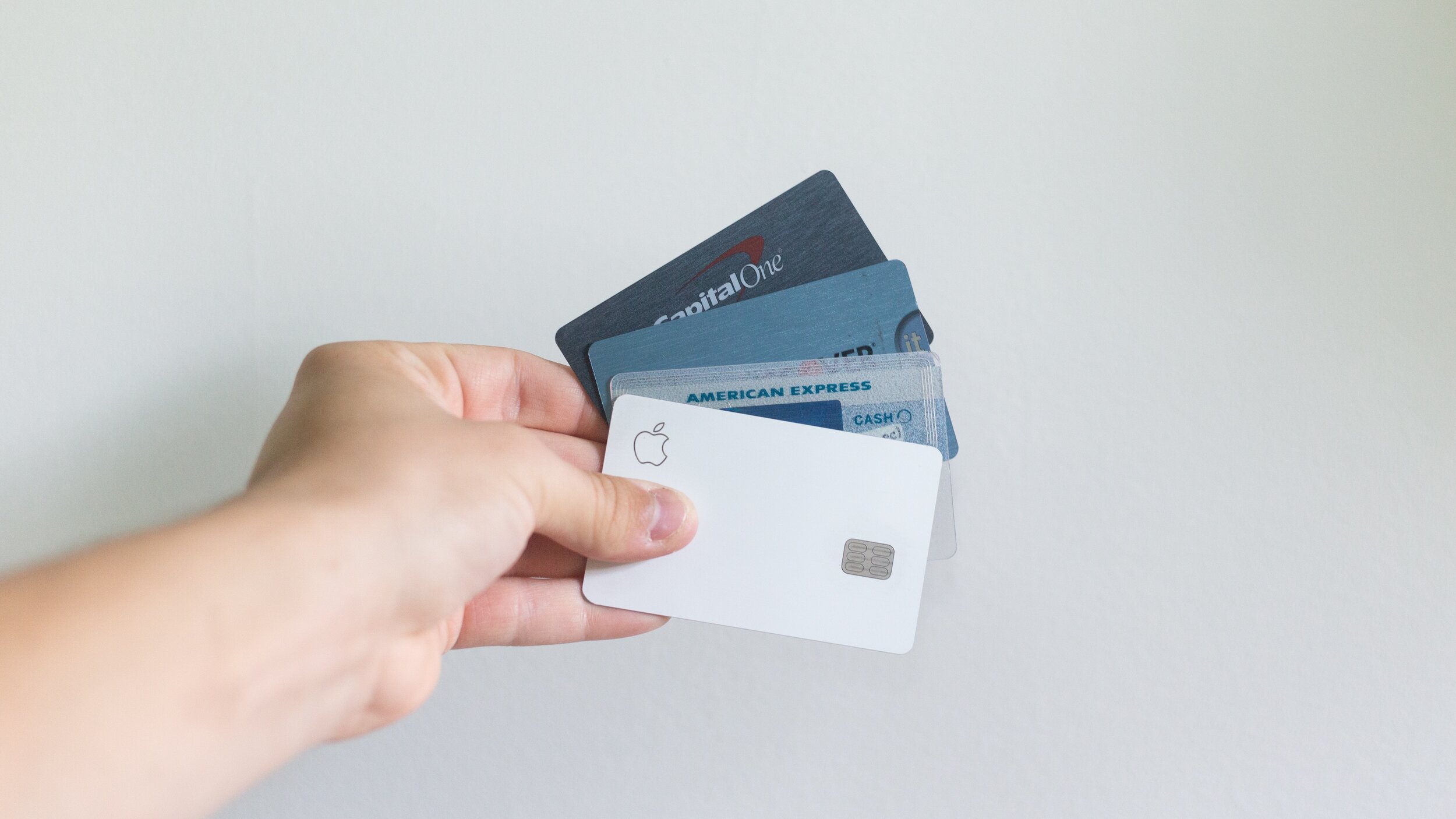
If you accept credit cards and are working virtually, you may have noticed an increase in your credit card fees. Prior to the pandemic, I swiped my clients’ cards in person using a card reader (also known as a dongle). When the cardholder is present, the card can immediately be verified by the credit card company and the rate is lower. When my clients were present in my office the rate was 2.4% +25 cents. Now I email my clients an invoice and the rate is 2.9% +25 cents. If I chose to hand key the credit card into Quickbooks, I would be charged 3.4% + 25 cents.
I review my credit card processing options every few years to see if I can reduce my costs. When I was charging my clients in person (pre-pandemic) I used Quickbooks GoPay card reader, I switched to GoPay when I realized the rate was much lower than Stripe’s. I chose GoPay because I was already using Quickbooks for my accounting, the card reader works well, and their rate was the lowest. That rate is only available to customers who use Quickbooks’ accounting software. The software requires some effort to learn and I still use a bookkeeper to review my books each quarter to check for errors.
Here are a few of the many credit card processing options that are available.

I use a few apps in addition to my Quickbooks invoicing, but many of my clients prefer to receive an email invoice. I use the CashApp which currently does not charge for transactions, this product was created by PayPal, and several of my clients use it and like it. The downside is their customer support is not great. Zelle is a Wells Fargo app that doesn’t require your customers to have a Wells Fargo account, it’s easy to use and there are no transaction fees. I use Venmo for my Brainspotting consulting work and currently there are no fees, but Venmo is now launching a business version with will include fees.
If an existing client asks me for a fee reduction due to a current financial hardship, I will ask them to pay me via Zelle so I can save money on the transaction cost and pass that savings on to my client as part of the reduced rate.
There are so many options for accepting payments and this post could be ten pages long. The bottom line is that I want to offer my clients a convenient, modern way to pay for therapy and I consider these fees to be part of the overall cost of running a service business. If you are feeling frustrated about the high cost of credit card processing, it may be time to raise your fees. I’m interested in hearing about your credit card processing choices., feel free to connect with my on FB, Instagram or via email.
Celebrating Thanksgiving During a Pandemic

Thanksgiving is my favorite holiday. My family loves to cook, and we all prepare special dishes for the holiday. In addition to my culinary responsibilities. I am the annoying aunt that reminds all my nieces to tell us what they are grateful for. Before dinner I take our annual family photo and after dinner, we take the dogs for a long walk prior to returning home for dessert.
This year we are trying to figure out how early to eat so we can sit outside without being too cold. We are using paper plates to avoid having lots of people in the kitchen. The family has decided to divide into two pods because my cousin’s college-age children have been more social than the adults. There are several members with compromised immune systems so we may have to skip the photograph and spread out when we walk the dogs.
Each person in the family is chiming in with ideas about how to keep safe during this time, the main point is that we all want to be together; we have been together every year since I moved to California in 1990 and we don’t want to be apart.
My clients are struggling with these same decisions and my job is to help them explore their emotions and make the choice that best suits them. I’m not a scientist, doctor or an expert on COVID-19, but I am a psychotherapist, and I can help them express the feelings that arise as we enter into our ninth month of this pandemic. I’m sad that this Thanksgiving will be different, but I am grateful for my family and the opportunity to be together this year. I wish you and your family a safe and happy Thanksgiving.
Photo by Nancy Hann on Unsplash
Navigating 12-Step Referrals

I specialize in trauma and addictions and often recommend 12-Step meetings to my clients. These meetings offer free support for people trying to recover from alcoholism and many other process addictions. There are also programs like Al-Anon, Coda and SLAA that help clients examine their self-destructive patterns in relationships. I keep a variety of 12-Step literature on hand for clients who may not be ready for meetings but are open to learning about them. Often, I plant the seed of a suggestion that they may be ready to receive in the future.
Many of my clients are hesitant to attend 12-Step meetings. Below are some helpful facts in case you are faced with similar resistance.
1. It’s not for me because it’s a religious program. This is the most common response and many of my clients have experienced religious trauma which may make it impossible for them to consider 12-Step meetings. I explain that Alcoholics Anonymous (AA) which was the first 12-Step Program, was highly influenced by The Oxford group in the 1930s, a Christian movement popular in the United States and Europe in the early 20th century. Members of the Oxford Group practiced a formula of self-improvement by performing self-inventory, admitting wrongs, making amends, using prayer and meditation, and carrying the message to others. AA is not a religious program and there is no requirement that members believe in God. AA encourages members to search for a god (higher power) of their own understanding and suggests using the AA group itself as a higher power if that feels more comfortable.
2. I don’t consider myself an alcoholic and I am not sure I want to stop drinking. AA’s third tradition states that the only requirement for membership is a desire to stop drinking. I suggest that my clients attend meetings with an open mind and try not to drink right before the meeting. This is just a suggestion because people are welcome at meetings whether they are drinking or not.
3. I heard that you must have a sponsor to be in AA. I explain that sponsors are suggested but not required. Most of my clients find it hard to trust other people, based on their childhood. I explain that a sponsor is not required in the beginning and I’ll offer to support them in their recovery until they find the right person; this often provides fruitful clinical material for us and eventually they do find someone. If someone is already attending meetings, I’ll encourage them to find a temporary sponsor and give themselves time to get to know the person before committing to sponsorship.
4. I’ve tried meetings and there are no good meetings in Los Angeles. There are over 350 meetings a day in Los Angeles. I encourage people to try five or six different meetings before deciding whether the program is for them. I offer to go through the online meeting directory and help them find a meeting.
If your client is not interested in going to the meetings, join with their resistance. In Dr. Larry Heller’s NARM model, we view working with a client’s resistance as a way to foster agency; the resistance is not viewed as something negative. We are not telling the client what to do, we are helping them explore the way their own choices may reflect their childhood survival styles. I’m interested in helping my clients explore the psychobiological implications of holding onto to these early fixed thoughts and behaviors.
As a therapist specializing in addiction, I know that 12-Step is not the only way. Many of my clients prefer group therapy, but this is often not enough for clients who are in early recovery. There’s also SMART Recovery which has been around since 1994, this offers a more cognitive based approach and there is no spiritual component.
Clients need support more than ever during these times and 12-Step meetings are happening online. Here are the links to Alcoholics Anonymous meetings in Los Angeles lacoaa.org and Al-Anon alanonla.org. I’m interested in supporting you as you navigate these tricky conversations, feel free to reach out to me via email
(therapy@mariagray.net) if you need help.